

To be a lighthouse...?
The History of Truffle Hunting in Italy, Renaissance Medicinal Herbalism, Aqua Tofana, and the Connection to Gastronomy through Enzymes like CYP2C19

I’ve often felt a deep spiritual pull toward the image of Thridrangar Lighthouse. When I was younger, in the early mid-2000s, people shared stories with me about how, during our most difficult times—the "dark night of the soul" periods in life—we are often drawn to lighthouses in people. These lighthouses become guiding lights, helping us navigate through the storms. And sometimes, when those guiding people are no longer there, we are left to become our own lighthouse.

As someone passionate about history, my research over the years has been influenced by a broad, global perspective. However, more recently, I've felt a strong pull toward a deeper connection with my ancestry. This journey is deeply personal, yet I believe it’s something that could resonate with others as well. In this substack, I’d like to share some captivating bits of history, particularly focused on the healing aspects of Italian culture as well as undercurrents of poison.

One topic I’m particularly excited to explore is the fascinating world of tartufo hunting. The tradition of hunting truffles in Italy is not just about uncovering rare, aromatic treasures; it is a practice that speaks to a deep connection to the land and its people. But beyond the culinary pleasure, this practice is also steeped in centuries of tradition, offering healing both physically and spiritually.

Additionally, I want to dive into the medicinal herbalism practiced during the Renaissance in Italy—a time when the study of plants and their healing properties flourished. The Renaissance was a period of profound discovery, and herbalism became a cornerstone in both medical treatments and spiritual practices. From the famous apothecaries of Florence to the monasteries in the hills, many herbal remedies from this era still hold value today. Yet, there are little-known facts about the plants and rituals that were believed to carry not only medicinal properties but also mystical and protective qualities. These herbs were not just seen as physical remedies; they were regarded as ways to balance the soul and mind, making them essential in the healing traditions of the time.

Through these examples, I hope to shed light on some hidden gems of history that offer a deeper connection to both the land and the spirit. These practices, whether it’s tartufo hunting or Renaissance herbalism, remind us of the wisdom and resilience embedded in our cultural past. I believe they offer healing and insight for those seeking connections to their own roots, and perhaps even their own lighthouses in the storm.

Sometimes, the way to ignite a spark within our soul is to remember the truth of our past, not just through the lens of negativity but in its full complexity. Our history, with all its highs and lows, offers a wealth of wisdom, strength, and beauty that can often be overlooked. By revisiting the moments that have shaped us—not just the struggles, but the triumphs, the small victories, and the rich traditions—we can reconnect with the essence of who we are.

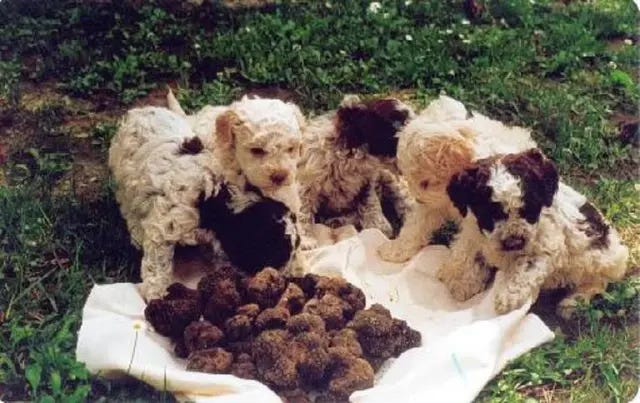
Truffles (Tartufo in Italian) are one of the most prized culinary ingredients in Italian gastronomy, known for their rich aroma, deep umami flavor, and medicinal properties. They have been used in Italian cuisine and medicine for centuries, with historical records showing their use for aphrodisiac, digestive, and even hallucinogenic effects. Truffles are underground fungi (genus Tuber) that grow in symbiosis with tree roots, particularly oak, hazelnut, and beech trees. They absorb nutrients from the soil and develop a strong, complex aroma that attracts animals, which help spread their spores.
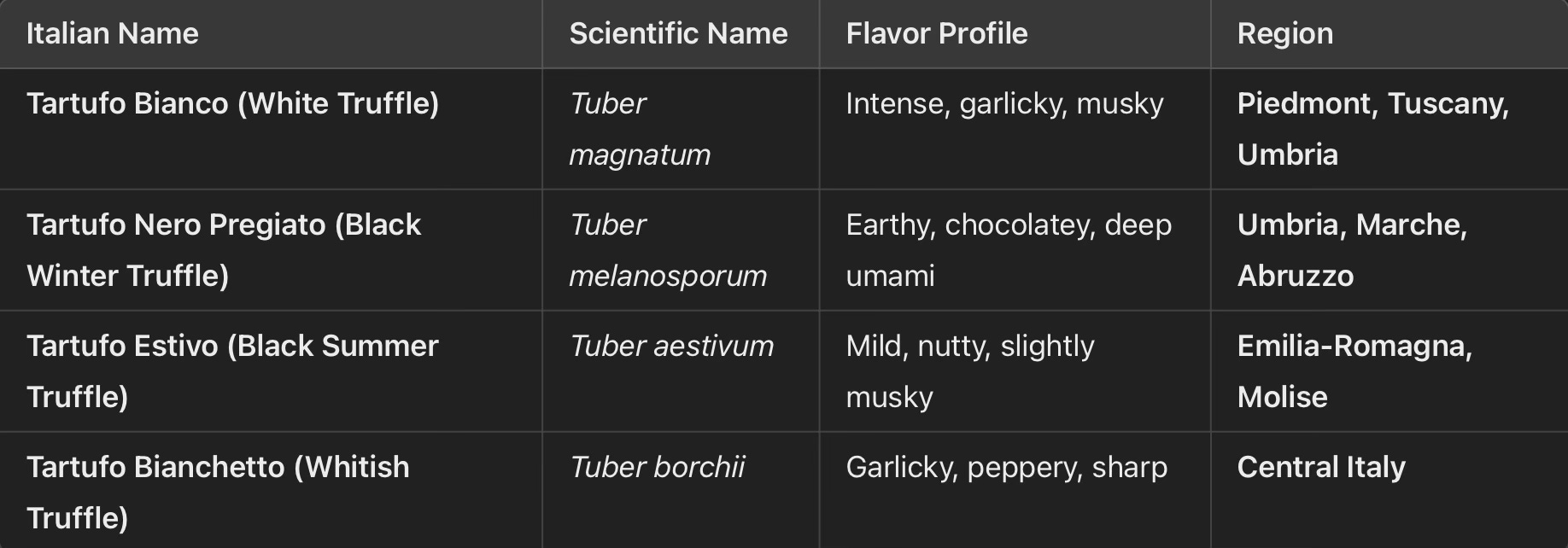
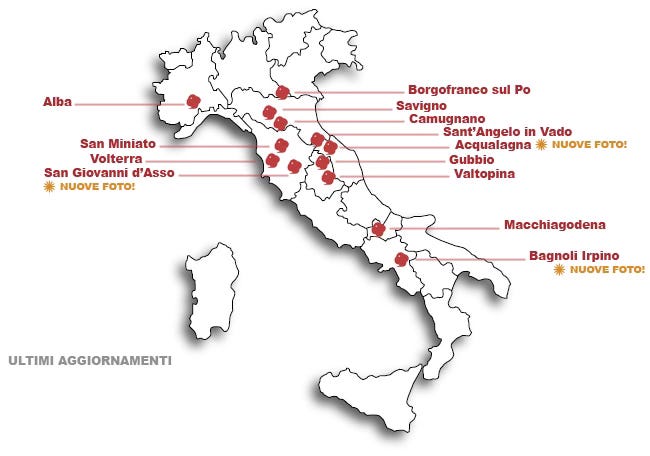
There are several types of Italian truffles, each with its own unique flavor profile and regional origin. For example, Tartufo Bianco (White Truffle), found in regions like Piedmont and Tuscany, is known for its intense, garlicky, and musky flavor. Tartufo Nero Pregiato (Black Winter Truffle), which is earthy, chocolatey, and umami-rich, is most commonly found in Umbria, Marche, and Abruzzo. The milder Tartufo Estivo (Black Summer Truffle) is native to Emilia-Romagna and Molise, while Tartufo Bianchetto (Whitish Truffle) from Central Italy has a garlicky, peppery sharpness. Among these, the rarest and most expensive is the White Truffle from Alba, which can cost thousands of dollars per pound.
Historically, truffles were considered not only a luxury food but also a natural medicine in Italian and Mediterranean cultures. In ancient and Renaissance times, truffles were believed to have aphrodisiac properties, enhancing passion and fertility. Monks and herbalists used them to treat ailments such as indigestion, immune disorders, and circulation problems. Some truffle varieties were even thought to have hallucinogenic or mood-enhancing effects. Modern science has uncovered bioactive compounds in truffles that may influence metabolism and overall health. These include androstenone and androstenol, pheromone-like substances that may enhance mood and attraction, ergothioneine, a powerful antioxidant with neuroprotective and anti-aging properties, and beta-glucans, which support immune function and gut health. Truffles also contain polyphenols, which have anti-inflammatory effects and support heart health, and sulfur compounds that contribute to their unique aroma and detoxification properties. Additionally, some of the compounds in truffles are similar to those found in cannabis, potentially influencing mood and appetite.

Truffles are high in antioxidants and may have neuroprotective and anti-inflammatory benefits, which likely explains their historical use in medicine. Their compounds are metabolized by enzymes like CYP2C19, which influence how they are processed in the body. People with faster metabolism may break down truffle compounds more quickly, while those with slower metabolism may retain the compounds longer, resulting in stronger effects on mood, digestion, or circulation. These unique properties have made truffles a key part of both Italian culinary tradition and its medicinal practices over the centuries.


In Italian cuisine, truffles have long been a symbol of luxury and indulgence, commonly used in traditional dishes such as pasta with butter and truffle shavings, raw beef carpaccio with truffle-infused olive oil, scrambled or fried eggs with black truffle, pizza with truffle and mozzarella, and aged Pecorino cheese infused with truffle. During the Renaissance, truffles were often infused in wines and elixirs for their medicinal and aphrodisiac qualities. The consumption of truffles in regions such as Piedmont, Umbria, and Tuscany, which also had diets rich in other metabolically active foods like wine polyphenols, olive oil, and bitter greens, may have influenced the genetic evolution of populations in these areas, strengthening metabolic adaptations to these complex natural compounds.

Italian culture, both historically and in modern times, has deep roots in medicinal and healing foods, extending far beyond just tomatoes and cheese. Many traditional Italian ingredients contain bioactive compounds such as alkaloids, polyphenols, and flavonoids, some of which are metabolized by CYP2C19 and other cytochrome P450 enzymes. This strong connection between Italian cuisine and traditional remedies highlights how food has long been intertwined with healing, not just poisoning…

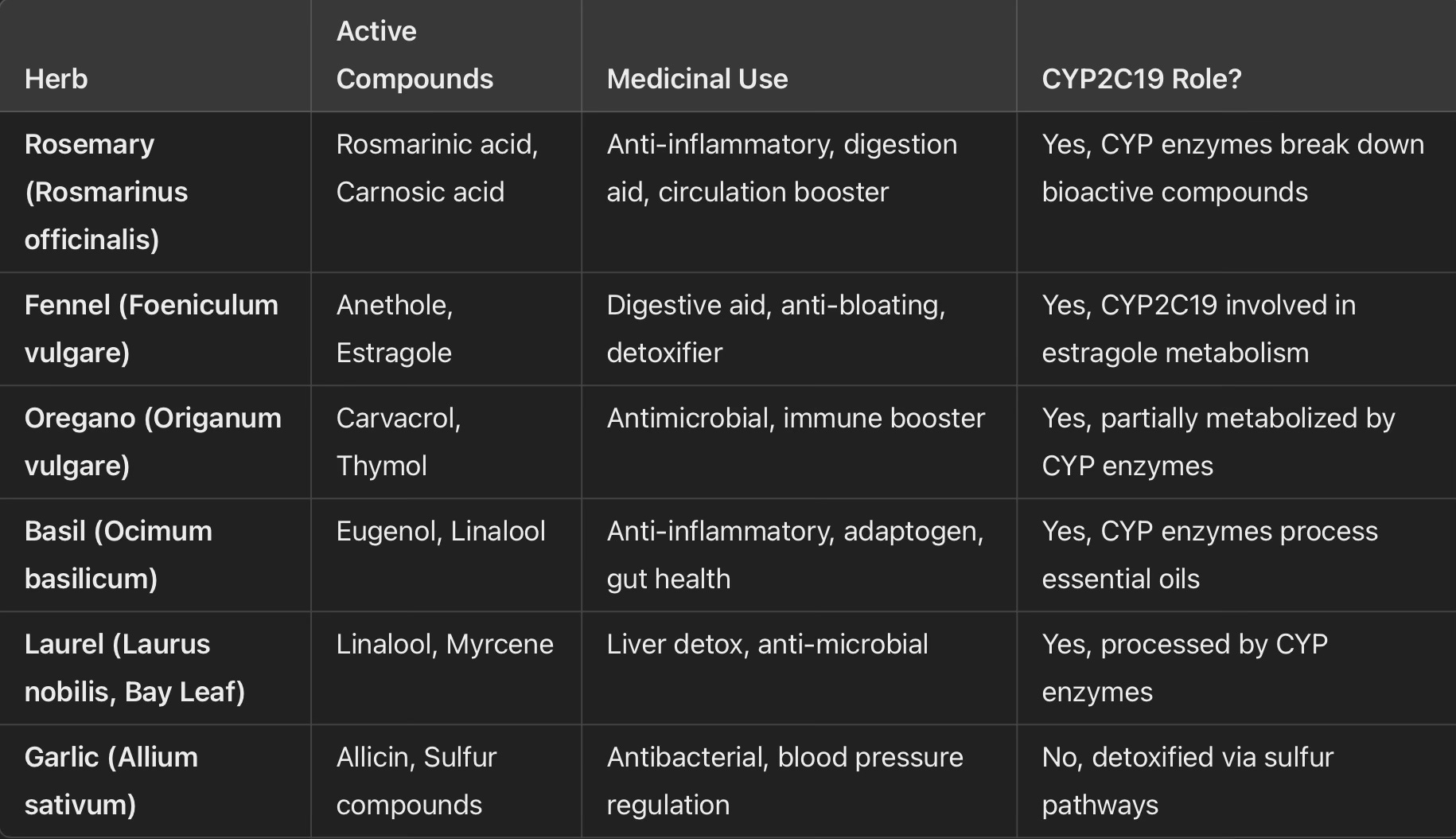
Before the advent of modern medicine, Italy was a hub of herbal healing, with monasteries, apothecaries, and folk traditions contributing to a robust system of plant-based medicine. Many of these medicinal herbs required CYP2C19 or other enzymes for metabolism and played a crucial role in treating illnesses. For example, rosemary contains rosmarinic acid and carnosic acid, which aid in inflammation and circulation, while fennel, rich in anethole and estragole, is known for its digestive benefits and detoxifying properties. Oregano, basil, laurel, and garlic also served medicinal purposes, with compounds that interacted with metabolic enzymes to exert their healing effects. These plants remain staples in Italian cuisine today, reinforcing the cultural connection between food and medicine.
Beyond herbs, many staple Italian foods historically functioned as medicine, influencing digestion, immunity, and cardiovascular health. The concept of "food as medicine" has always been integral to Italian tradition. Bitter greens like radicchio and chicory support liver function and detoxification, while olive oil, rich in oleuropein and hydroxytyrosol, is known for its anti-inflammatory and heart-protective benefits. Red and white wines were historically used medicinally due to their antioxidant content, particularly resveratrol, which interacts with CYP enzymes. Even balsamic vinegar, with its probiotic and digestive-aiding properties, played a role in traditional healing. These healing ingredients were often combined into herbal-infused broths, vegetable-based sauces, and vinegar-based marinades, making food both nourishment and medicine.
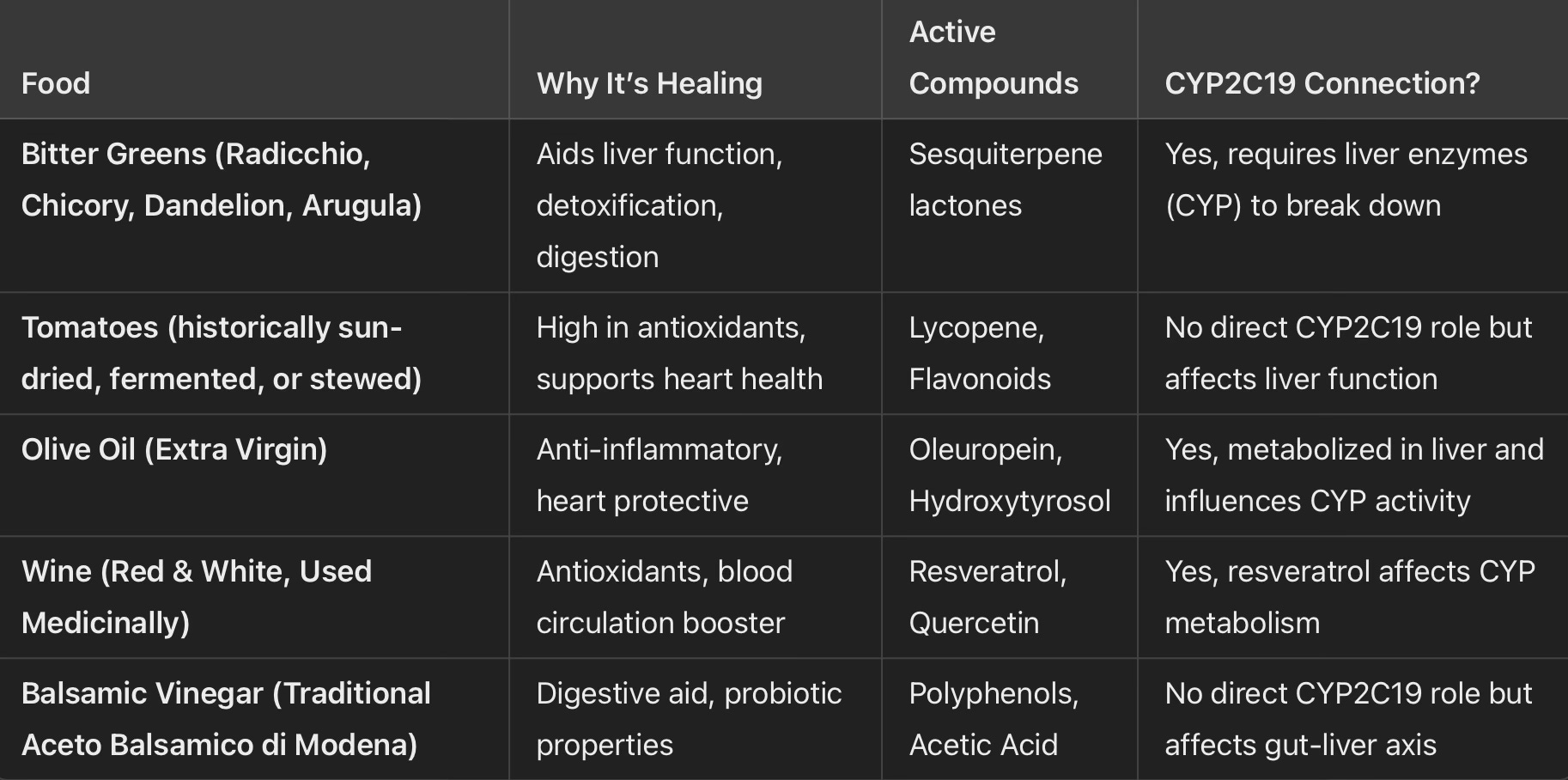
During the Renaissance, Italy became a center for medicinal gastronomy, with scholars like Leonardo Fioravanti and Castore Durante writing extensively about food-based healing. Physicians prescribed specific foods for digestion, longevity, and mental clarity, and many tonics and elixirs were crafted from wine, herbs, and alkaloid-containing plants, emphasizing the deep link between cuisine and pharmacology. A notable example is "Vinum Absynthites," a wormwood-infused wine used as a digestive aid, which required CYP enzymes for metabolism.

Italian cuisine has always been more than just sustenance—it was a form of medicine. From herbs and olive oil to vinegar and bitter greens, many culinary staples played vital medicinal roles, with liver enzymes like CYP2C19 aiding in their metabolism. Renaissance Italy was one of the most sophisticated centers of medicinal gastronomy, and modern science is only beginning to rediscover what Italians have known for centuries: food is medicine.
The In Bocca series, a collection of Italian regional cookbooks published in 1976 by Il Vespro in Palermo, is more than just a culinary guide—it serves as a testament to the deep connection between food and traditional medicinal practices in Italy. Each of the 20 volumes highlights a different region, preserving not only recipes but also local wisdom, folklore, and cultural heritage. Many of the traditional dishes featured in these books incorporate ingredients long valued for their healing properties, such as garlic, olive oil, and fresh herbs like rosemary and basil, which have been used for centuries in Italian folk medicine. The rustic, unbleached oatmeal paper and corrugated cardboard bindings reflect the authenticity and organic nature of these culinary traditions, emphasizing a return to natural, wholesome eating.
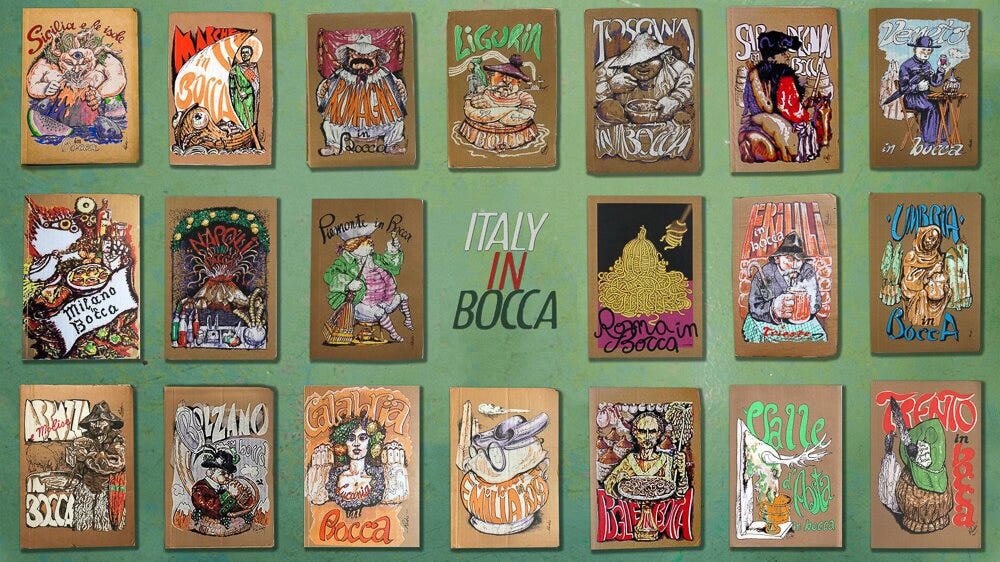
My mother has one of these cookbooks, and I often see her use it. I’m so impressed with her pasta carbonara—it’s not even funny. The way she perfectly balances the richness of the sauce with the simplicity of its ingredients is a true testament to the timelessness of these recipes. However, some of the dishes in the book are a little intense, calling for strange ingredients like oxtail, which can be a challenge to find or prepare. Beyond their historical and artistic significance, these books provide a window into Italy’s ancestral knowledge of food as both nourishment and medicine, showcasing how regional cuisines were shaped by an understanding of seasonal ingredients, digestive health, and the balance of flavors for overall well-being. Today, these rare and collectible cookbooks continue to inspire those interested in the intersection of food, culture, and natural healing.

My other Nonna, who was my cousin's Nonna, but I also called her Nonna, a Chicagoan, is etched in my mind in their kitchen when I'd visit—a tiny 90-pound woman on a chair, cranking out the most artful hand-colored homemade ravioli filled with elaborate fillings she'd spend hours making. I can't fail to mention her, Nonna Gina. Or my aunt, who is equally skilled in the kitchen like my mother, only far more precise and mathematic. While my mother often literally whips meals together in seconds, Luisa makes her own pizza from scratch and knows how to do the long-haul recipes. Needless to say, this book is a staple in their households, or handwritten by memory. My aunt has endless recipes scrawled and saved.

Culinary Evolution as a Shield Against Poisoning
Europe has a deep-rooted history of medicinal and ritual plant use, particularly during the Middle Ages and Renaissance (500–1600 AD), when herbal pharmacology flourished. Monasteries and apothecaries played a crucial role in preserving and cultivating plant-based medicines, many of which relied on CYP2C19 metabolism for activation or detoxification. Plants such as foxglove (Digitalis) were widely used for heart conditions, while berberine from barberry and goldenseal served as an early antimicrobial treatment. Additionally, many European spiritual and healing traditions incorporated hallucinogenic plants, including belladonna, datura, and henbane, which were used in trance-inducing rituals and shamanistic practices. The metabolism of these alkaloid-rich plants varied among individuals, with some experiencing stronger effects due to genetic differences in CYP2C19 activity. The cultural significance of these plants was vast, shaping European medicine, folklore, and spiritual practices. While modern discussions on ethnobotany often highlight non-European traditions, it is important to recognize that Europe, too, had a complex and influential relationship with medicinal and psychoactive plants, influencing genetic and cultural adaptations over centuries.

Lesser Poland (Małopolska) and Silesia, once influenced by the Austrian Habsburg Empire and Hungary, have long been regions where herbal magic and fermented foods, rich in natural enzymes, played a role in both superstition and sustenance. The fermentation of cabbage for sauerkraut and the culturing of dairy for oscypek cheese are not just culinary practices but were believed to enhance vitality and ward off malevolent spirits. In old Polish kitchens, herbal infusions, mushroom-based elixirs, and enchanted pierogi fillings were crafted using knowledge passed down from generations of wise women—whispered spells mingling with the aroma of simmering broth.
Even the grand cities like Kraków and Lwów (now Lviv, Ukraine) were once hubs of not only Catholic academia but also esoteric knowledge, where alchemists, herbalists, and cunning women blended faith with folk magic. Here, the intersection of Catholicism and ancient Slavic beliefs created a unique cultural landscape where the sacred and the supernatural coexisted, influencing both cuisine and the hidden arts of Polish witchcraft.

Clinical Relevance & The Darker Side of CYP2C19: Personalized Medicine and the Legacy of Poisoning
The CYP2C19 enzyme plays a crucial role in personalized medicine, guiding healthcare providers in tailoring medication choices and dosages to optimize therapeutic outcomes and minimize adverse effects. However, beyond its modern medical applications, the enzyme has a dark historical lineage intertwined with poisoning, assassination, and the evolution of culinary traditions as a protective mechanism against toxins.
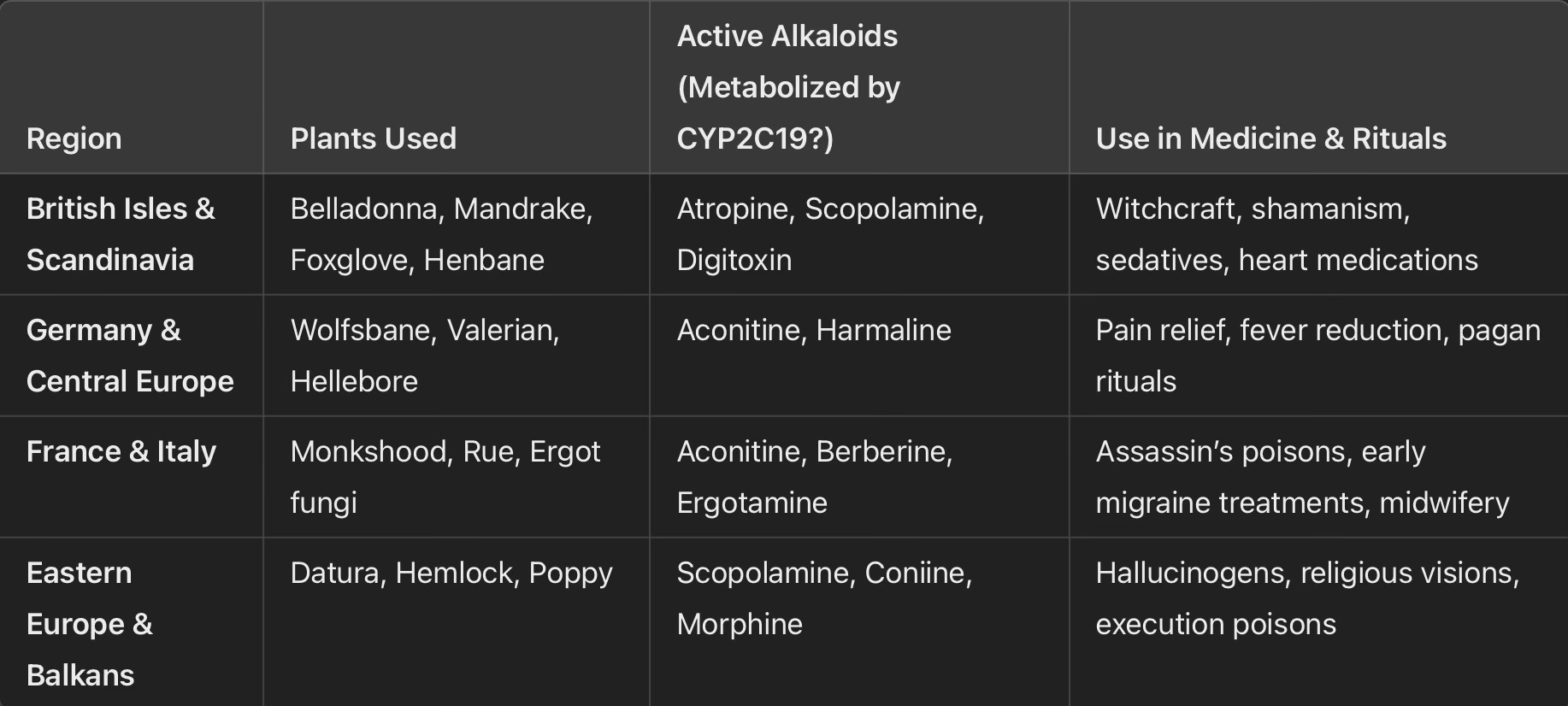
Many European "witches" and shamans used plants containing tropane alkaloids, which affect the nervous system and are metabolized by CYP2C19. Some of the key hallucinogenic plants included Belladonna (Atropa belladonna), also called Deadly Nightshade, which induced trances and hallucinations and was believed to cause sensations of flying. Datura(Datura innoxia), or Jimsonweed, was often used in pagan rituals for spiritual experiences. Henbane (Hyoscyamus niger) was another plant commonly included in "flying ointments" associated with witchcraft. The effects of these plants varied depending on an individual's CYP2C19 metabolism. Poor metabolizers, such as those with the CYP2C19*2, 3, or 7 variants, may have experienced stronger and longer-lasting hallucinations. Conversely, ultra-rapid metabolizers with the CYP2C19*17 variant may have broken down the compounds too quickly, leading to weaker effects.

Initially, Europe’s role in plant-based medicine and poison use was overlooked due to an oversimplification based on modern trends. The focus was originally placed on cultures where plant-based healing remains widely practiced today, such as Ayurveda in India and Traditional Chinese Medicine. However, this perspective eclipses or shrouds Europe's extensive history of herbal medicine and poison use. Recognizing Europe’s rich ethnobotanical traditions provides a more complete understanding of global plant-based medical practices.

Europe relied just as much on plant-based medicine, hallucinogens, and toxins as other regions. CYP2C19 activity likely played a crucial role in determining how individuals responded to poisons and psychoactive substances during the Middle Ages and Renaissance. The selective pressures from ritual plant use and poisoning practices may have helped shape the distribution of CYP2C19 variants in Europe over time. David Lewis-Williams' The Mind in the Cave explores how early humans created cave art, linking it to altered states of consciousness—possibly induced by psychedelics—and shamanic rituals, while Graham Hancock's Supernatural delves deeper into the role of psychedelic experiences, particularly DMT, in shaping early religious beliefs and visionary encounters.

Populations That Historically Relied on CYP2C19 for Diet & Survival

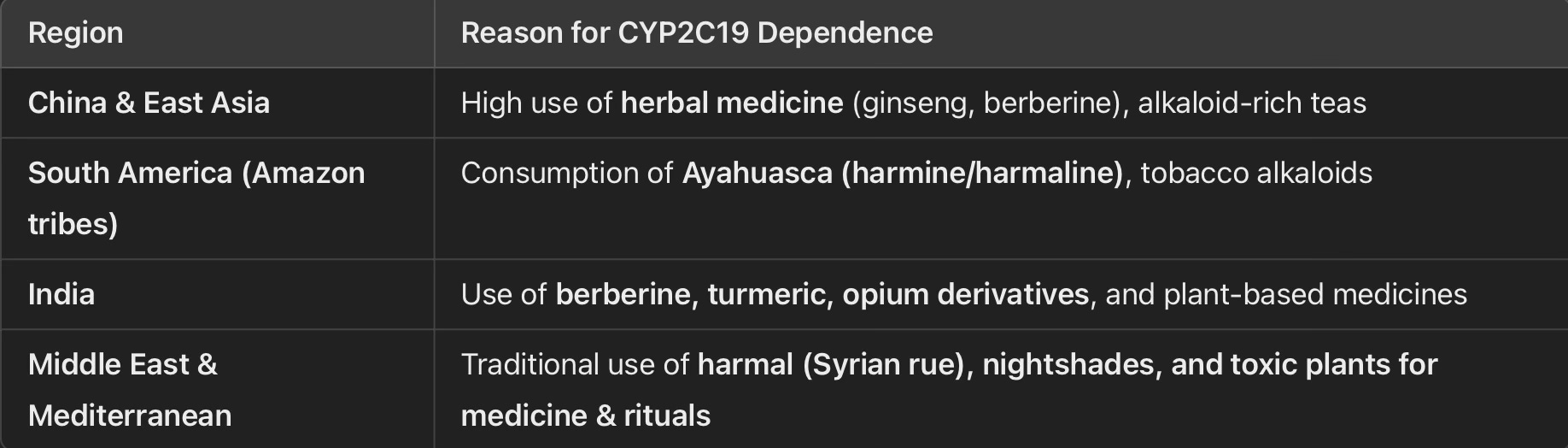
Certain populations may have historically needed strong CYP2C19 activity due to their diet, environment, or exposure to plant alkaloids. Loss-of-function mutations in the CYP2C19 gene, such as CYP2C19*2, *3, and *7, are more common in East Asians (about 30%) compared to Europeans (approximately 15%). In contrast, ultra-rapid variants of CYP2C19, such as CYP2C19*17, are more prevalent in Europe, affecting around 20% of the population. This pattern suggests that populations with a history of consuming alkaloid-rich plants may have experienced evolutionary pressure to maintain CYP2C19 function, whereas populations with less exposure to these plant toxins may have gradually accumulated loss-of-function variants over time.
In Africa, traditional medicine widely incorporates alkaloid-rich plants such as Voacanga africana, Iboga (Tabernanthe iboga), Khat (Catha edulis), and various nightshade species. These plants interact with CYP2C19 metabolism, potentially influencing genetic variations. Some African populations exhibit a high frequency of CYP2C19 polymorphisms, possibly due to selective pressures from prolonged exposure to alkaloid-containing diets and medicinal plants.

In Australia, Indigenous Australians have historically used native plants with alkaloids, such as Duboisia spp., Pituri (Nicotiana spp.), and other bush medicines. While genetic data on CYP2C19 variants in Indigenous populations is limited, the presence of these plants suggests potential evolutionary influences on CYP2C19 activity.

In China, the Philippines, and Thailand, traditional medicine and dietary habits incorporate alkaloid-rich plants, which may have influenced CYP2C19 metabolism. In China, Traditional Chinese Medicine (TCM) includes numerous alkaloid-containing herbs, such as Ephedra sinica (ephedrine) and Coptis chinensis (berberine), both of which can interact with CYP2C19. Similarly, in the Philippines, herbal medicine is deeply rooted in the culture, with plants like Banaba (Lagerstroemia speciosa) and Makabuhay (Tinospora rumphii) known for their medicinal properties and potential effects on drug metabolism. In Thailand, traditional medicine features alkaloid-rich plants such as Kratom (Mitragyna speciosa), which contains mitragynine, an alkaloid known to interact with CYP enzymes.

In Native American populations, the traditional use of plants has included several alkaloid-rich species that may have influenced CYP2C19 metabolism. Tobacco (Nicotiana spp.) was widely used by many Indigenous groups and contains nicotine and harmala alkaloids, both of which interact with CYP enzymes. Datura (Datura stramonium), also known as jimsonweed, contains tropane alkaloids and has been utilized in vision quests and medicinal practices. Loco weed (Astragalus and Oxytropis spp.) contains toxic alkaloids and has historically been used in some medicinal contexts. Peyote (Lophophora williamsii) contains mescaline, an alkaloid that may impact CYP metabolism. Additionally, various nightshades, similar to those used in other regions, have been incorporated into some Native American herbal traditions, particularly members of the Solanaceae family.

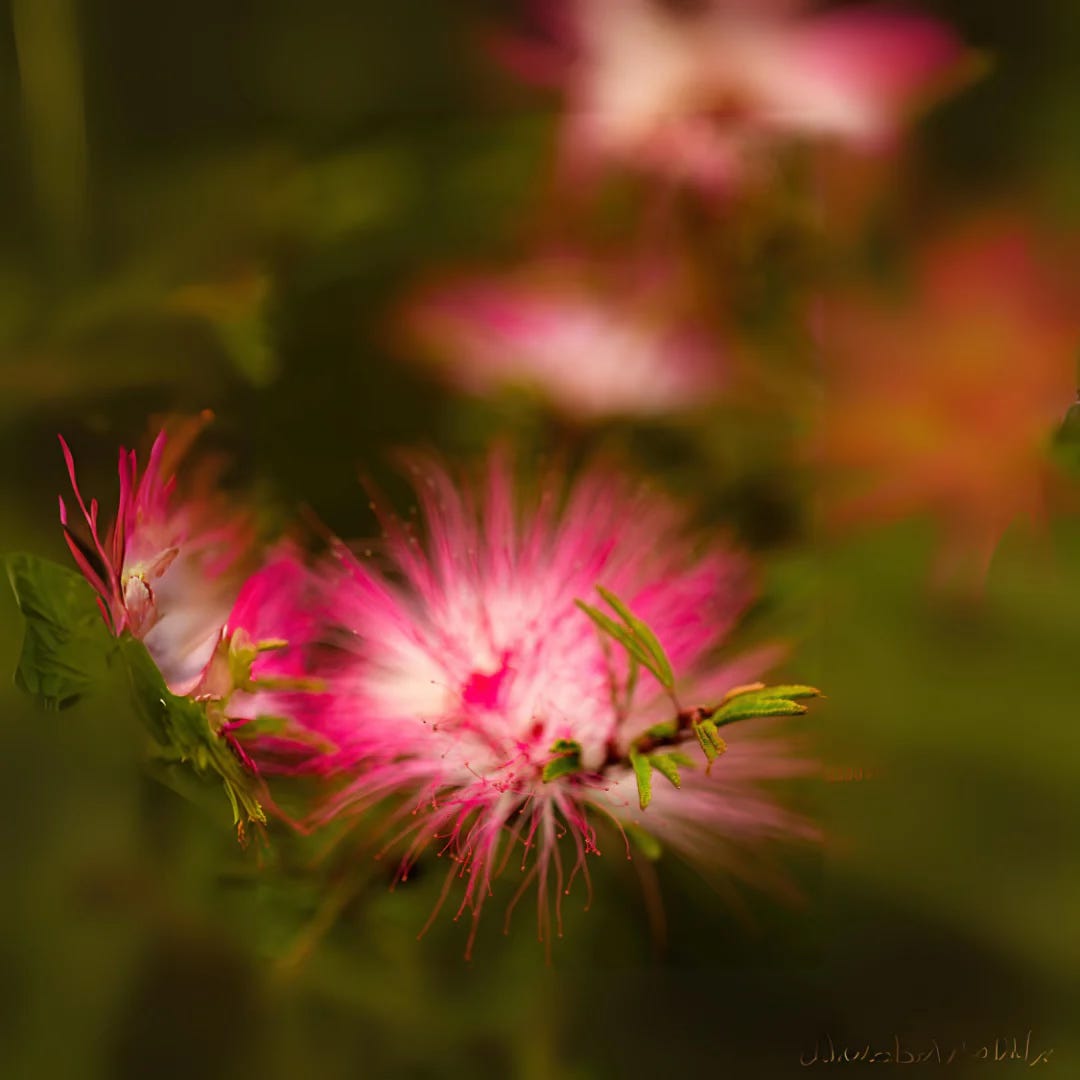
In South America, indigenous medicine also incorporates numerous alkaloid-rich plants, including Bobinsana (Calliandra angustifolia), which is used for its anti-inflammatory and psychoactive properties and may influence drug metabolism through CYP enzyme interactions. Ayahuasca and ibogaine are powerful psychoactive substances traditionally used in South American shamanic rituals for spiritual healing and insight. Their metabolism involves the CYP2D6 enzyme, which influences their potency, duration, and individual effects.
In India, Ayurveda, one of the world's oldest medical systems, extensively uses alkaloid-containing plants, many of which may influence CYP2C19 metabolism. For example, Rauwolfia serpentina (Indian snakeroot) contains reserpine, which affects neurotransmitter pathways and may interact with drug-metabolizing enzymes. Similarly, Tinospora cordifolia(Guduchi) is rich in alkaloids known for their immunomodulatory and adaptogenic properties, potentially impacting drug metabolism. The extensive use of herbal formulations in Indian traditional medicine, often combined with dietary practices that include alkaloid-rich spices such as turmeric (Curcuma longa) and black pepper (Piper nigrum), may have contributed to variations in CYP2C19 polymorphisms in the population.

Throughout history, Jewish communities have used various plants and substances for medicinal, spiritual, and ritual purposes. Wine is central to Jewish rituals like Kiddush and Passover Seders, with some mystical traditions viewing it as a sacred mind-altering substance. Some scholars suggest cannabis (kaneh bosem) may have been used in ancient anointing oils and temple rituals. Jewish physicians, including Maimonides, documented the use of opium and poppy-based remedies for pain relief. Mandrake, mentioned in Genesis, was believed to enhance fertility and had psychoactive properties. Myrrh and frankincense were used in Temple incense offerings, with myrrh also serving as an analgesic. Henbane (Hyoscyamus niger) may have been part of ancient Jewish and Middle Eastern medicine due to its neurological effects. In medieval Europe and the Ottoman Empire, Jewish apothecaries created ethanol-based herbal remedies (tinctures). Today, Jewish law permits medical drug use but discourages recreational use. In Israel, cannabis is extensively researched, and many Jewish scholars support its medical use.

In the Middle East, traditional medicine utilizes several alkaloid-rich plants that may influence CYP2C19 metabolism. Syrian Rue (Peganum harmala), commonly used for spiritual and medicinal purposes, contains harmine and harmaline, potent β-carboline alkaloids that inhibit CYP2C19. Various nightshade species (Solanaceae family), such as Mandragora (mandrake) and Datura (devil’s trumpet), have historically been incorporated into herbal remedies and rituals, containing tropane alkaloids that interact with CYP enzymes. Frankincense (Boswellia spp.), primarily known for its resin, also has traditional medicinal applications and may affect metabolism through its bioactive compounds. Additionally, Khat (Catha edulis), consumed in parts of Yemen and the Arabian Peninsula, contains cathinone, which influences CYP450 activity.

Similarly, in the Caribbean, traditional herbal medicine plays a vital role in health and wellness, with plants such as Cerasee (Momordica charantia), which contains alkaloids that may modulate enzyme activity, and Bissy (Cola acuminata), which is rich in caffeine and other alkaloids that can interact with CYP2C19 metabolism. Caribbean traditional medicine is a unique blend of African, Indigenous, and European influences, often incorporating herbal remedies passed down through generations for treating ailments and maintaining overall health.

All these populations in these regions exhibit varying frequencies of CYP2C19 polymorphisms, likely shaped by long-term exposure to these alkaloid-containing plants through both diet and medicinal practices. Essentially, this enzyme is necessary for nearly every living process, reinforcing the argument that its significance is universal. Regardless of geographical location, polymorphisms related to this enzyme are primarily found in regions with prevalent religious or spiritual practices or where poison has historically been used as a tool for social dominance and warfare.


Genetic Testing and Historical Toxin Resistance
Survivors of mild poisonings likely possessed functional CYP2C19 variants, allowing them to metabolize toxins more efficiently and pass these genetic advantages to offspring, shaping genetic variation in populations frequently exposed to these threats.
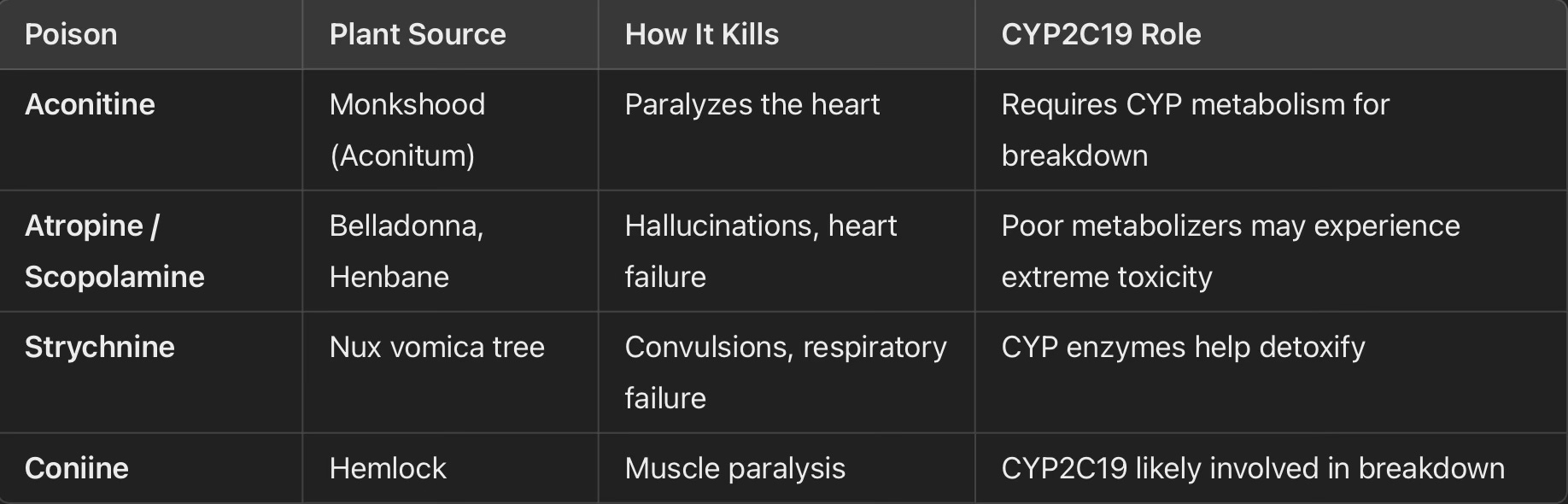
Poisons that relied on metabolic processing included:
- Aconitine (Monkshood/Wolfsbane) – Induced fatal paralysis, requiring enzymatic breakdown for detoxification.
- Atropine & Scopolamine (Deadly Nightshade, Mandrake, Henbane) – Caused hallucinations and heart failure; CYP2C19 activity influenced individual susceptibility.
- Strychnine (Nux Vomica Tree) – Led to convulsions and respiratory failure; metabolism dictated toxicity levels.
- Digitalis (Foxglove) – Fatal in high doses unless metabolized efficiently
While contemporary genetic tests aim to identify loss-of-function alleles such as *7, historically, variations in CYP2C19 activity could mean the difference between survival and death. During the Renaissance, poisonings were rampant in political and aristocratic circles, particularly in Italy and France. The ability to metabolize toxic alkaloids—many requiring CYP2C19 for detoxification—may have determined who lived and who succumbed to silent assassins. Regions with frequent exposure to plant-based hallucinogens and medicines may have experienced genetic selection favoring more efficient CYP2C19 metabolism. Additionally, poisoning trends during the Renaissance could have exerted selective pressure on individuals with faster toxin metabolism.

Renaissance Poisoning, CYP2C19 and Historical Poisoning Cases:
The Renaissance (14th–17th centuries) saw the refinement of both medicinal gastronomy and toxicology. The ruling elite often had food tasters, but those with genetically advantageous CYP2C19 variants may have had a natural resistance to the delayed effects of poisoning. The metabolic differences influenced by CYP2C19 genetic variations could have played a role in historical poisoning cases. Some individuals may have succumbed more quickly, while others might have shown resistance or unusual symptoms.Those poisoned by Aqua Tofana reported several symptoms. The first small dosage would produce cold-like symptoms, escalating to flu-like symptoms by the second drop. The victim was very ill by the third dose; symptoms included vomiting, dehydration, diarrhea, and a burning sensation in the victim's throat and stomach. Modern pharmacogenetics continues to explore these genetic differences, shedding light on how individuals process both medicinal drugs and toxic substances. Given that CYP2C19 variations influence how one metabolizes plant alkaloids, this raises intriguing possibilities:

- Ultra-rapid metabolizers (CYP2C19*17 carriers) might have survived certain poisonings by breaking down toxic compounds before they could cause fatal damage.
- Poor metabolizers (CYP2C19*7 carriers) may have had stronger, prolonged reactions to plant-based medicinal compounds, making them more susceptible to certain toxins.
- Selective Pressure – Over generations, individuals with advantageous CYP2C19 metabolism could have been more likely to survive and reproduce, influencing allele frequency distributions in regions with high historical exposure to plant toxins.
Genetic factors largely determine toxin metabolism, but some tolerance can develop through repeated exposure. In the case of poison ivy, immune desensitization can occur, similar to allergy treatments. For metabolic toxins, enzyme activity may be influenced by enzyme induction, epigenetic changes, and microbiome adaptation. Ultra-rapid metabolizers (CYP2C19*17 carriers) may break down toxins quickly, reducing their effects, while poor metabolizers (CYP2C19*7 carriers) experience prolonged reactions. Over time, repeated exposure to certain toxins could upregulate detoxification pathways, potentially increasing resistance and driving evolutionary selective pressure in populations historically exposed to plant-based toxins.
Metabolic traits, such as ultra-rapid or poor metabolizer status, evolved due to environmental pressures, genetic variation, and chance. In regions with high exposure to plant toxins, ultra-rapid metabolizers (CYP2C19*17 carriers) may have had a survival advantage by breaking down toxins quickly, while poor metabolizers (CYP2C19*7 carriers) experienced prolonged effects. These traits vary across populations, with ultra-rapid metabolism more common in African, Oceanic, and Asian groups, while poor metabolism is frequent in East Asian and European populations. Some variations persist due to genetic drift, while others reflect trade-offs—faster metabolism can clear toxins but may reduce drug efficacy, whereas slower metabolism can intensify medicinal effects. While no direct evidence links “oppressive society” to slower metabolism, limited food diversity, restricted medicinal access, chronic stress, and genetic isolation could have indirectly influenced metabolic traits through diet, epigenetics, and genetic drift.

Aqua Tofana: The Infamous Poison of Italy and Its CYP2C19 Connection
A Deadly Elixir in 17th-Century Italy
Aqua Tofana was a notorious poison that circulated in Italy during the 17th century, allegedly masterminded by Giulia Tofana. This lethal concoction became infamous as a "women’s weapon," often used by desperate wives to escape abusive marriages. With its colorless, tasteless, and odorless properties, Aqua Tofana was nearly undetectable when mixed into food or drink, allowing for covert and calculated poisonings.
Composition and Biological Impact
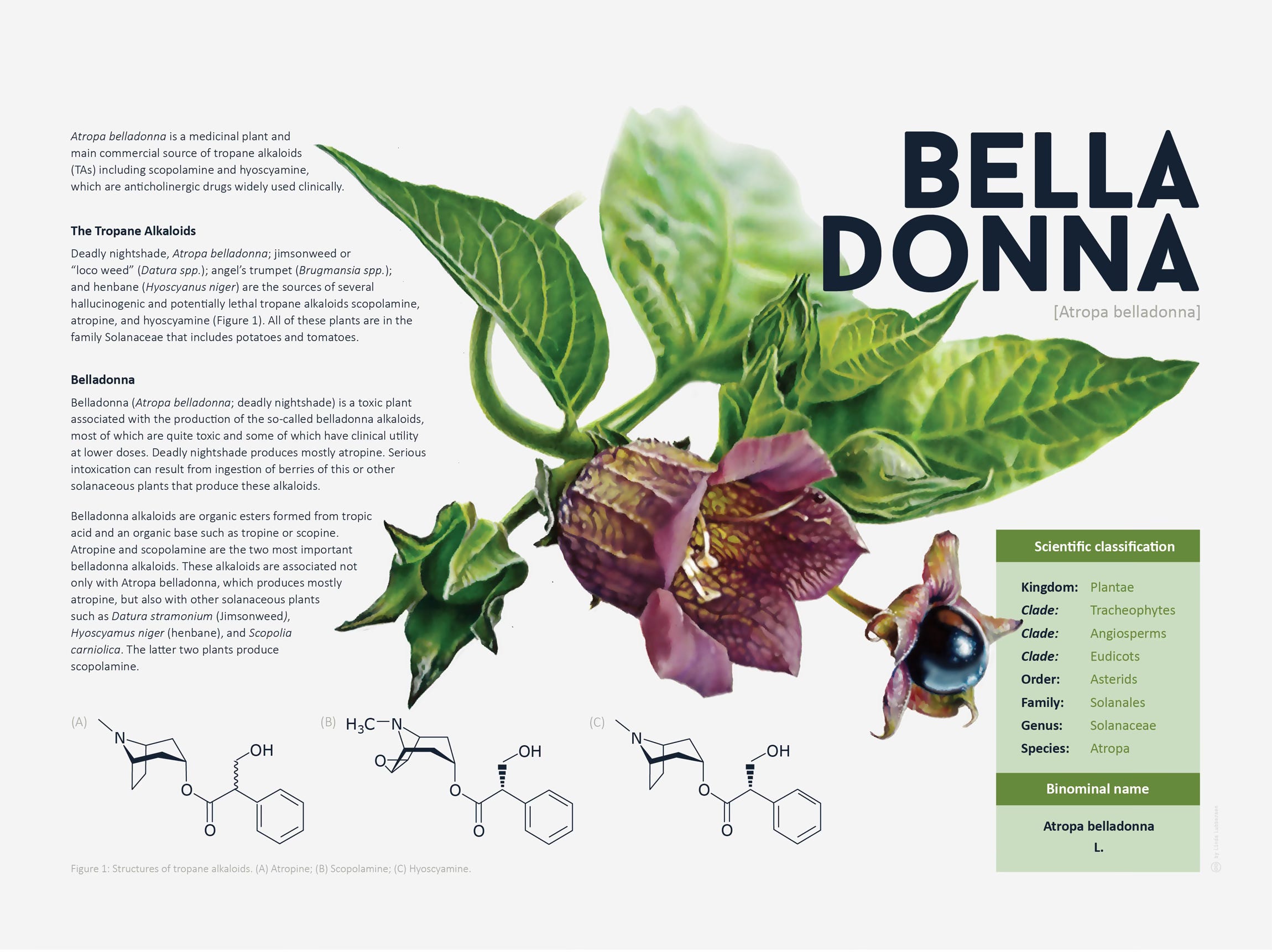
While the exact formula remains unknown, historians believe Aqua Tofana contained arsenic, lead, and possibly belladonna—ingredients that caused slow, cumulative poisoning, mimicking natural illnesses and making detection nearly impossible. These toxic compounds interfered with vital physiological processes, including enzyme function, neurotransmission, and metabolic pathways.
One such metabolic pathway involves CYP2C19, a crucial enzyme in the liver responsible for drug metabolism, toxin breakdown, and detoxification. Variations in the CYP2C19 gene influence an individual's ability to process certain chemicals, including arsenic and belladonna alkaloids. Individuals with loss-of-function CYP2C19 mutations, which are more common in East Asian and some European populations, may have been more vulnerable to prolonged poisoning effects, as their bodies struggled to detoxify these compounds efficiently. Conversely, those with ultra-rapid metabolizer variants (such as CYP2C19*17, more prevalent in Europeans) might have exhibited different poisoning symptoms, potentially influencing historical accounts of Aqua Tofana’s victims.
Giulia Tofana and the Poisoning Network
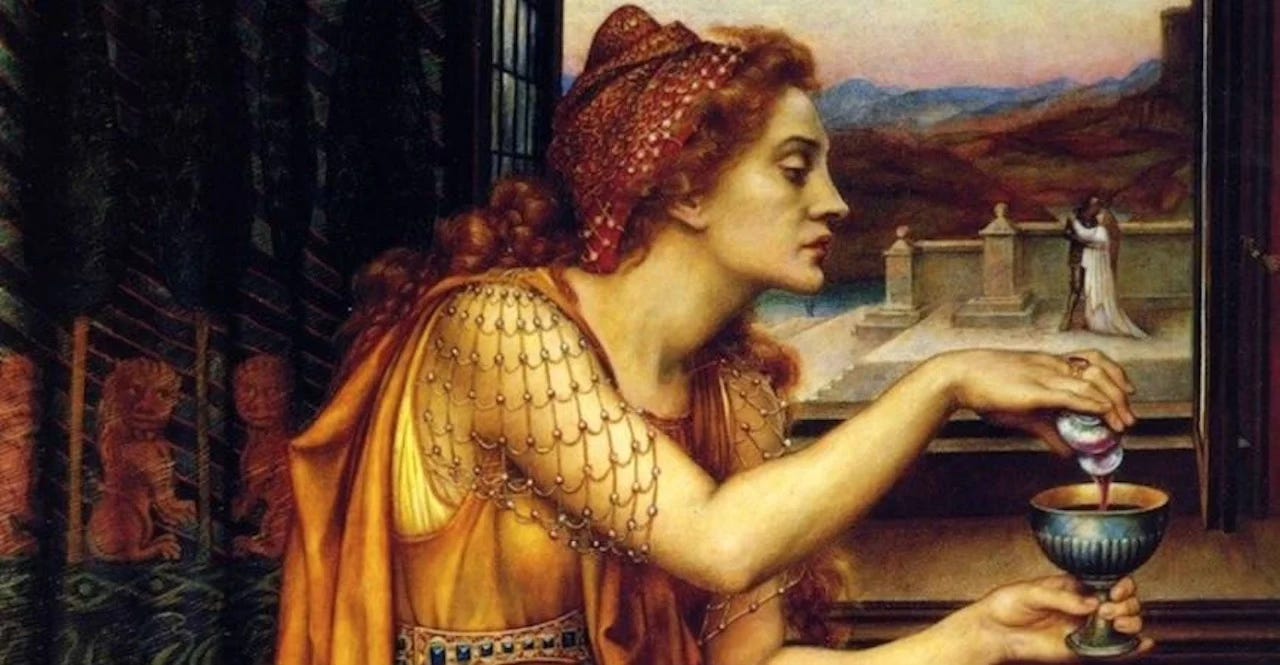
Giulia Tofana, an apothecary and entrepreneur, is believed to have created and distributed Aqua Tofana, primarily operating in Rome, Naples, and Palermo. She allegedly ran a secret network, supplying poison disguised as a cosmetic or holy water to women seeking liberation from oppressive marriages. Her operation remained hidden for years until rumors of her involvement in multiple deaths led to her arrest. Under torture, she confessed to facilitating the deaths of over 600 men. Some accounts claim she was executed in 1659, while others suggest she sought sanctuary in a convent.
The Legacy of Aqua Tofana
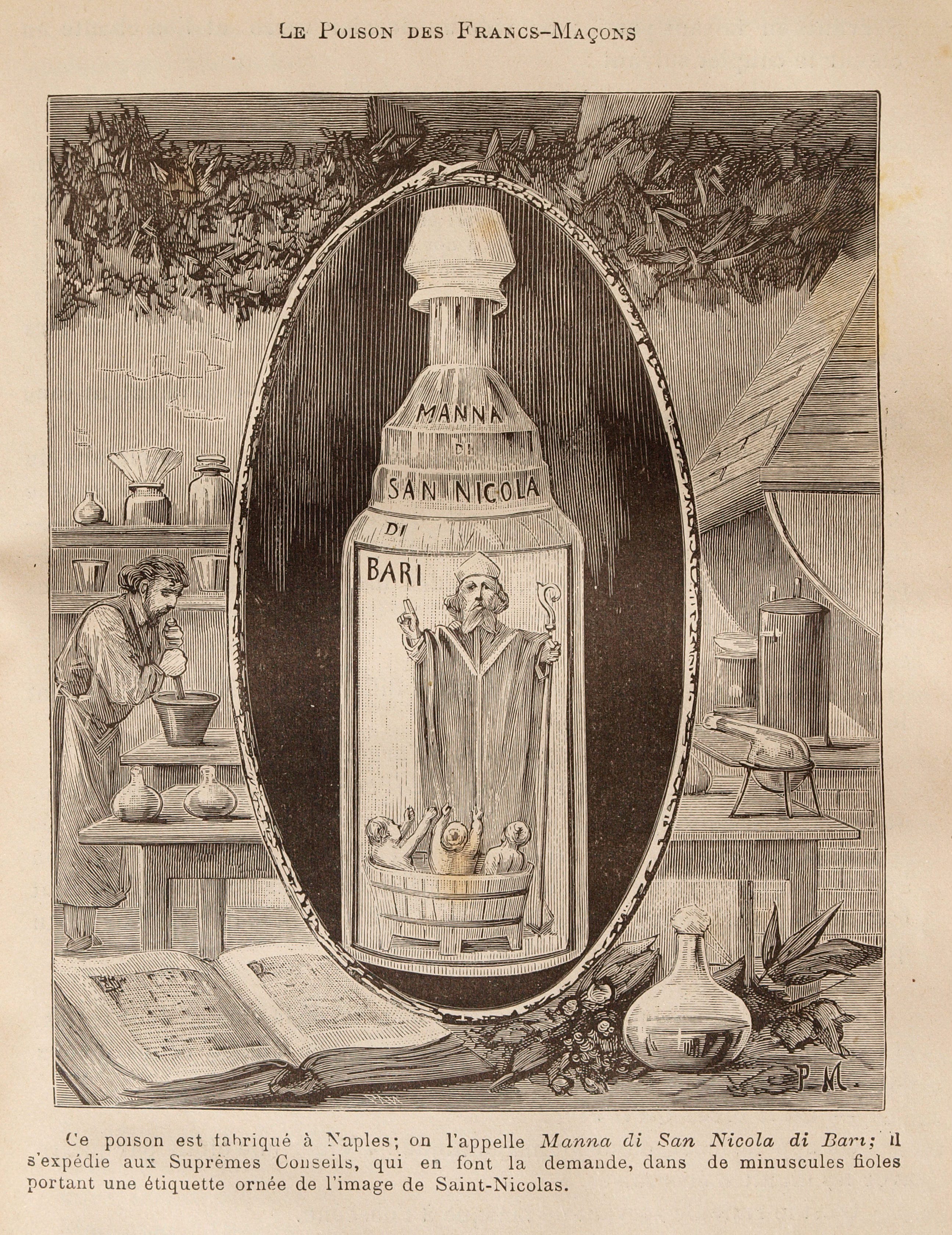
The legend of Aqua Tofana persists in history, symbolizing the dangers of undetectable poisons and the dark side of female empowerment in a restrictive society. References to Aqua Tofana appear in literature, music, and even historical speculation—composer Wolfgang Amadeus Mozart, before his death, reportedly claimed he had been poisoned with it, though this remains unverified.

Interestingly, the theme of poisoning extended beyond Aqua Tofana. Lodovico Ferrari, a mathematician known for solving quartic equations, was allegedly poisoned with white arsenic by his own sister, who sought his fortune. Ironically, she died impoverished after her husband abandoned her. Ferrari’s mentor, Gerolamo Cardano, a brilliant but controversial thinker, predicted his own death. It's fascinating to think of portals to the unknown—how life and death can align on specific dates, like a grandchild being born on the anniversary of a relative’s passing. It makes you wonder… are we on borrowed time? Is there a hidden mathematical chaos that eventually weaves order into the timeline of our existence? He passed away on September 21, 1576, just days before his 75th birthday—leading to speculation about whether he orchestrated his own demise, perhaps even using a poison like Aqua Tofana.
The Chelsea Physic Garden: A Living Archive of Poisons
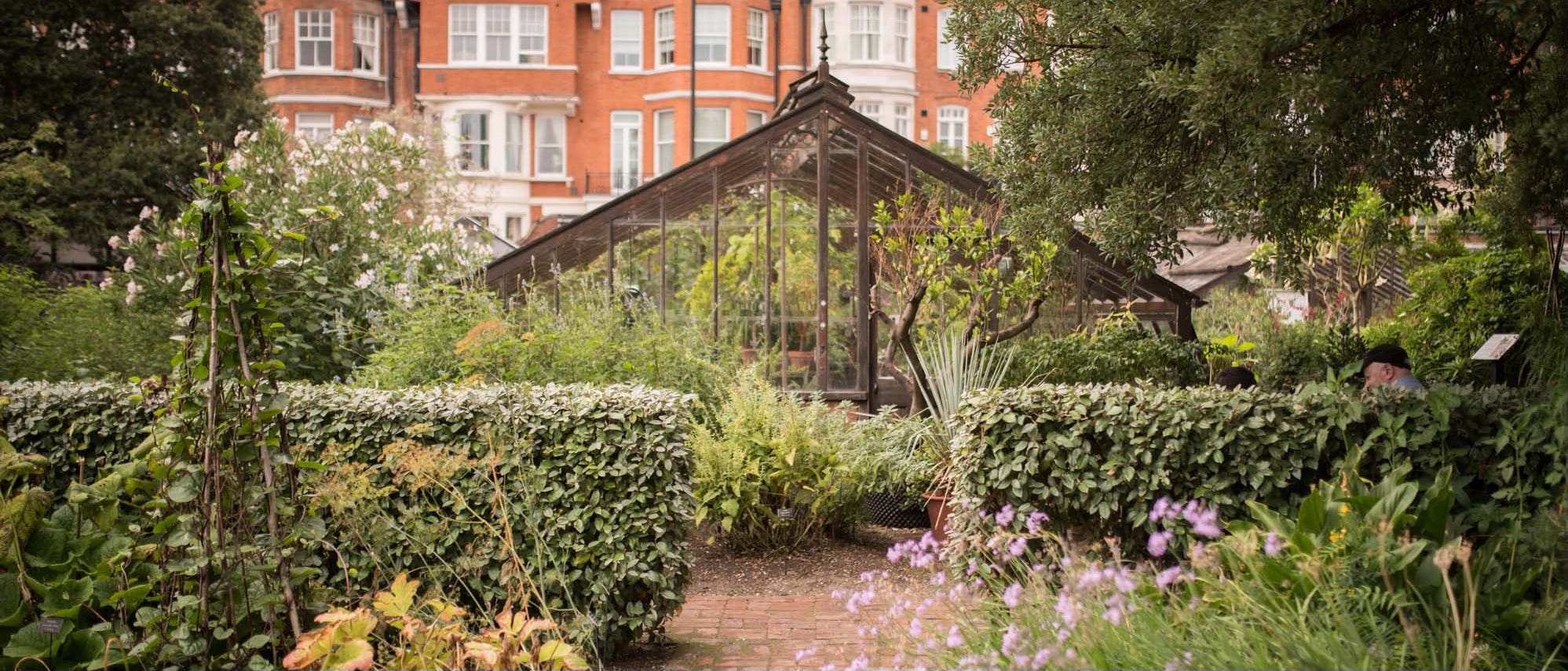
While Aqua Tofana may be a relic of history, the study of poisons remains relevant today. One of the best places to explore the world of toxic plants is The Chelsea Physic Garden, one of London’s oldest botanical institutions. Founded in 1673, this garden was originally established to study medicinal plants and their effects on the human body. Over the centuries, it has amassed a vast collection of both healing herbs and deadly poisons, bridging the gap between medicine and toxicology.

Among its many specimens are some of history’s most infamous poisons, including Deadly Nightshade (Belladonna), Foxglove (Digitalis), and Hemlock—all plants that have been used in both medicine and murder. Belladonna, one of the suspected ingredients in Aqua Tofana, has a long history of use in cosmetics and herbal remedies, but in high doses, it causes paralysis and death. Foxglove, known for its role in heart medication, was once a poison of choice for those seeking an undetectable method of assassination. Hemlock, used to execute the philosopher Socrates, contains neurotoxins that lead to respiratory failure.

Visiting the Chelsea Physic Garden offers a glimpse into the fascinating and sometimes sinister history of plant-based poisons. It serves as a reminder that the line between remedy and toxin is often razor-thin—a concept that underpinned the very creation of Aqua Tofana. By studying these plants today, we not only uncover the dark side of botany but also gain a deeper understanding of the ways poisons have shaped history, medicine, and even genetics, through mechanisms like the CYP2C19 enzyme.
From 17th-century poison rings to modern pharmacogenetics, the legacy of toxicology continues, proving that sometimes, the deadliest secrets lie hidden in nature itself.
The Modern Implications of an Ancient Battle

Today, CYP2C19 continues to shape human health in ways our ancestors never envisioned. While modern medicine utilizes CYP2C19 genotyping to optimize drug therapy—especially for anticoagulants like clopidogrel—its historical role in toxin metabolism suggests a deeper, evolutionary entanglement with food, medicine, and survival. CYP2C19*7 is a loss-of-function allele that impairs the activation of clopidogrel (Plavix), reducing its blood-thinning effects. This leads to decreased platelet inhibition and a higher risk of thrombosis, including stroke or heart attack. Patients with this variant may require alternative antiplatelet drugs like prasugrel or ticagrelor. The *7 allele is rare but significantly affects drug metabolism, potentially leading to reduced efficacy of medications dependent on CYP2C19 activation. From the deadly dining tables of the Renaissance to the rich, protective cuisine of Italy, this enzyme has quietly dictated life and death for centuries.

Culinary Evolution as a Shield Against Poisoning
Beyond assassinations, the broader Italian and Mediterranean diet reflects an intricate history of food-as-medicine. Many of Italy’s revered ingredients contain bioactive compounds that interact with the CYP2C19 enzyme, influencing detoxification, metabolism, and overall resilience against dietary toxins.

Healing and Protective Foods in Italian Cuisine
- Bitter Greens (Radicchio, Chicory, Dandelion, Arugula)– Historically used for detoxification; their sesquiterpene lactones required CYP-mediated metabolism.
- Olive Oil (Extra Virgin) – Contains polyphenols like oleuropein, metabolized in the liver, affecting CYP activity and enhancing toxin resistance.
- Garlic & Onion (Allium Family) – Historically viewed as blood purifiers, though they detoxify via sulfur pathways rather than CYP2C19.
- Wine & Balsamic Vinegar – High in resveratrol and acetic acid, influencing CYP2C19 metabolism, liver function, and cardiovascular health.

These foods not only provided medicinal benefits but also served as subtle antidotes against trace toxins in daily life. The tradition of pairing strong herbal and acidic components in Italian sauces—such as rosemary, fennel, and oregano with wine or vinegar—may have originated as an unconscious biochemical defense system against ingested poisons.
When we look at our heritage, our ancestry, and the stories that have been passed down through generations, we can rediscover the resilience and lessons that have always been there, waiting to be understood in a new light. Often, it’s the overlooked or forgotten aspects of history—the ones that don't fit neatly into popular narratives—that can reveal the most about us and the paths we’ve traveled.

In this way, embracing the full spectrum of our past, not just the painful chapters, can help us find a deeper, more authentic connection to our present selves. It can remind us that the light within us has always been there, even if it was hidden beneath layers of hardship or misunderstanding. Through understanding the positive truths in our history, we can reignite that spark and move forward with renewed purpose and strength.


Side Note
I covered the topic of food tourism in 2021, including in this in-depth article: [Alternatives to Pesticides] (https://www.theh20project.com/post/alternatives-to-pesticides). Towards the end, it explores gastronomy, Italian agriturismo, Eataly, and Eupepsia—an Ayurvedic retreat in Bland, Virginia—that has successfully brought some of these concepts to life, minus the poisoning aspect.

European Witches Expanded Footnote
European witchcraft has a long and complex history, blending folklore, persecution, and mythical figures. Here are some notable examples of witches from European history and folklore…


Historical European Witches (Accused or Executed)
1. Alice Kyteler (Ireland, 14th century) – One of the earliest recorded accused witches, Alice was a wealthy noblewoman who was accused of sorcery and poisoning her husbands. She escaped, but her servant was burned at the stake.
2. Agnes Sampson (Scotland, 16th century) – A healer and midwife, Agnes was accused of conspiring with the devil to summon a storm against King James VI. She was tortured and executed during the North Berwick witch trials.
3. Ursula Kemp (England, 16th century) – A healer accused of using magic to harm others. Her trial helped fuel the infamous English witch hunts.
4. Biddy Early (Ireland, 19th century) – A wise woman known for her healing abilities, often accused of witchcraft, though she was never tried.
5. La Voisin (France, 17th century) – Catherine Monvoisin was involved in poisonings and fortune-telling in the court of Louis XIV. She was executed for her role in the "Affair of the Poisons."
Folkloric and Legendary European Witches
6. Baba Yaga (Slavic folklore) – A fearsome, supernatural crone living in a hut that stands on chicken legs. She can be both a helper and a hindrance in Slavic legends.
7. Holda (German folklore) – A goddess-like figure associated with witches, Yule, and spinning. She was sometimes feared and sometimes revered.
8. Tiburtine Sibyl (Italy, Medieval legend) – A prophetess sometimes linked to witchcraft, divination, and ancient mysticism.
9. Basque Witches (Spain/France, 17th century) – Accusations of witchcraft were common in Basque regions, with large trials like the one in Zugarramurdi leading to executions.
10. Malin Matsdotter (Sweden, 17th century) – The last woman burned alive in Sweden for witchcraft in 1676.

Throughout history, accusations of witchcraft and shamanic practices have led to trials and executions in many different cultures, not just in Europe. These trials often targeted individuals who were seen as practicing magic, healing, or spiritual rituals that were outside the mainstream religious or political norms of their societies. Here are some notable examples of individuals from different cultures who were either tried or executed due to accusations of shamanic practices or witchcraft:
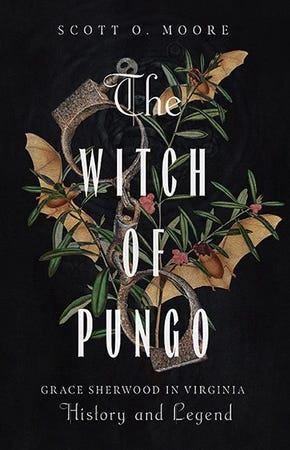
1. Grace Sherwood (Virginia, USA) – 1706
- Grace Sherwood is one of the most famous figures from colonial America to be accused of witchcraft. She was tried in Virginia in 1706 and subjected to a "ducking" test, which involved being thrown into a body of water to determine whether she was a witch. If she floated, she was guilty; if she sank, she was innocent (but potentially drowned). Sherwood survived the test and was eventually convicted of witchcraft and imprisoned.
2. The Shamanic Executions in Siberia (Russia) – 17th-19th centuries
- In Siberia, particularly during the 17th and 18th centuries, there were widespread accusations of "shamanism" directed at indigenous Siberian shamans, who practiced spiritual healing, divination, and communication with spirits. These shamans were often targeted by Russian colonial authorities as part of efforts to suppress indigenous traditions and replace them with Russian Orthodox Christianity. Many shamans were executed or tortured, and their practices were criminalized.
- Dmitri Nagaev, a prominent shaman of the Buryat people, was executed after being accused of sorcery in the 18th century. His death was symbolic of the broader Russian campaign to eliminate indigenous spiritual practices.
3. The Witches of the Congo (Central Africa) – Various instances
- In Central Africa, particularly in the Democratic Republic of Congo, accusations of witchcraft have been rampant for centuries, with many individuals, particularly women, being targeted. Shamanic and witchcraft practices were seen as a threat to the established order by colonial powers and local authorities.
- During the colonial period in the late 19th and early 20th centuries, many people who practiced indigenous healing and spiritual rituals were executed or persecuted. Even today, accusations of witchcraft still result in violence and death, often directed at older women or individuals who are perceived to have supernatural abilities.
4. The Aztec "Witch Trials" (Mexico)
- The Aztecs had their own form of witchcraft accusations and trials. Shamans in Aztec society were highly regarded but also feared because of their ability to communicate with gods and spirits. When the Aztec Empire was in its decline, some shamans who were seen as part of the rebellion against the Spanish or as threatening the stability of the new colonial order were executed.
- Malintzin (La Malinche), a Nahua woman who served as an interpreter for Hernán Cortés, has often been accused of "witchcraft" in various retellings of history, though much of the accusation was tied to her role in the Spanish conquest. However, she was a part of indigenous spiritual and healing traditions before becoming involved in the Spanish campaign.
5. The Klamath Tribe (USA) – 19th century
- In 19th-century Oregon, the Klamath Tribe, a Native American group, faced persecution and death as the U.S. government sought to suppress indigenous spiritual leaders who practiced shamanism. Many tribal shamans were accused of causing harm through their spiritual practices and were targeted by settlers and later by the federal government. These shamans often had the role of healers, diviners, and spiritual leaders who interacted with the natural and spiritual worlds.
6. Witch Trials in the Malleus Maleficarum in Colonial Brazil (17th century)
- In colonial Brazil, accusations of witchcraft led to the trials of both indigenous peoples and enslaved Africans, many of whom were accused of practicing shamanic rituals or African spiritual practices. The Portuguese colonial authorities, alongside the Catholic Church, sought to suppress any form of indigenous spirituality or African traditions that were seen as "diabolical." These trials were similar to those in Europe but specifically targeted the native and enslaved populations.
- For example, the Case of Maria de las Nieves, a woman accused of witchcraft for practicing indigenous healing methods, led to her being tortured and executed by the Portuguese Inquisition in the 17th century.
7. The "Witchcraft" Persecutions in the Republic of the Congo (1960s)
- Even in the modern era, accusations of witchcraft continue in many parts of Africa. In the 1960s, after the Republic of the Congo gained independence, witchcraft accusations increased as people became more fearful of social changes and political instability. Shamans and spiritual healers were often targeted, with some even executed for alleged involvement in rituals that threatened the new order or disrupted social harmony.
8. The Witches of the Arctic Circle (Alaska, USA)
- Indigenous tribes in Alaska have long held practices involving shamans, healers, and spiritual leaders. In the 19th century, with the expansion of Russian and later American control, many of these indigenous practices were suppressed. Shamans were accused of being witches, particularly by missionaries who saw their practices as demonic. While outright executions were rare, these individuals faced severe persecution, imprisonment, or were forced to abandon their practices under pressure.
9. The Naga Tribe (India)
- The Naga people in the northeastern part of India have a long history of indigenous healing and shamanistic practices. However, during British colonial rule, shamans were often persecuted, and those who were accused of witchcraft or black magic were executed or exiled. These accusations typically arose from local disputes or fear of a person's spiritual influence.
10. China: Anti-Shamanism in the Qing Dynasty (17th-19th centuries)
- During the Qing Dynasty, there was a concerted effort to eliminate practices viewed as outside Confucian norms, which included spiritual and shamanistic rituals. Shamans from indigenous groups, particularly in regions like Tibet, Mongolia, and Manchuria, faced persecution, and many were executed or exiled.
- The Case of the Daba Shamans in the southwestern regions of China is an example. These shamans were targeted by the Qing authorities for their role in the spiritual and political spheres, seen as a threat to the stability of the imperial rule.

These examples reflect how the persecution of shamans and those accused of witchcraft has occurred across cultures and continents, often rooted in colonialism, religious conflict, or fear of alternative spiritual practices. The individuals involved were typically part of societies where they were viewed as a threat to established power structures, either religious or political.

Stanca, the Witch of Bucharest, who was tried and burned in Wallachia (now part of Romania) in the 17th century.
Stanca was accused of practicing witchcraft and harming people through spells and potions. During the reign of Prince Matei Basarab (1632–1654), witch trials were common in Wallachia and Moldavia. Stanca, along with several other women, was accused of causing illness and misfortune through magic. Under torture, she allegedly confessed to summoning spirits and casting curses.
She was sentenced to be burned alive, a common punishment for accused witches at the time. Records suggest that her trial took place in Bucharest, where the authorities sought to make an example of her to discourage others from practicing witchcraft.
Romanian history has many folk tales and historical records about witches ("vrajitoare" in Romanian), often tied to local superstitions and fears of supernatural forces. Unlike Western Europe, where witch hunts were often massive, Romanian witch trials were more sporadic but still brutal.
1. Stanca, the Witch of Bucharest (17th century)
Tried and burned in Bucharest under Prince Matei Basarab’s rule, accused of casting curses and summoning spirits.
2. Anica from Iași (17th century)
A woman accused of using witchcraft to influence a nobleman’s mind. She was tortured into confessing and executed.
3. Maria from Transylvania (18th century)
Maria was accused of using spells to dry out crops. She was drowned in a river as a test—if she floated, she was a witch, if she sank, she was innocent (but drowned).
4. Elena of Craiova (16th century)
Accused of poisoning a nobleman’s wife through magical means. She was sentenced to be buried alive.
5. Sofia the Midwife (early 18th century)
A midwife accused of stealing newborns’ souls through magic. Villagers beat her to death before a trial could take place.
6. The Witches of Cluj (17th century)
Three women were accused of meeting the Devil in the woods at night. They were burned alive in the city square.
7. Ana the Herbalist (late 17th century)
A healer who was accused of using plants to cast love spells. She was banished but later stoned to death when crops failed.
8. Lăcrămioara of Sibiu (18th century)
Accused of turning into a wolf at night and attacking livestock. She was tried and executed.
9. Ioana the Fortune Teller (19th century)
A woman who read fortunes and was accused of causing a nobleman’s sickness. She was imprisoned and later vanished.
10. The Witches of Călărași (early 19th century)
A group of women blamed for a deadly disease outbreak. They were put on trial, tortured, and exiled.
Many of these trials involved harsh punishments and were fueled by local superstitions and fear of the unknown.

Semi-Related Diversion & Conclusion
There are several Middle Eastern folklore stories and historical accounts that describe people mysteriously burning, often attributed to supernatural forces, jinn, or curses rather than traditional witchcraft. While the region doesn’t have as strong a history of "witch trials" as Europe, beliefs in magic, jinn, and divine punishment have played a significant role in shaping legends.
1. The Jinn’s Wrath
In many Arabian folktales, jinn are believed to possess people, cause illnesses, or even burn individuals who offend them. One story from Bedouin folklore tells of a man who unknowingly insulted a powerful jinn while traveling through the desert. That night, he was found burned to ashes in his tent, with no sign of fire around it. Elders claimed the jinn had taken revenge.
2. The Cursed Sorcerer of Yemen
A Yemeni legend speaks of a sorcerer who practiced dark magic in secret. He was said to have made a pact with an evil spirit in exchange for power. One day, during a gathering, he suddenly burst into flames in front of witnesses. Some believed that God had punished him for his forbidden knowledge, while others whispered that the spirit he had made a deal with had come to collect his soul.
3. The Fiery Punishment of the Black Sorceress
In old Persian and Mesopotamian tales, certain women accused of practicing black magic were said to have met supernatural deaths. One such story tells of a woman in an ancient village who was rumored to summon spirits through fire rituals. One night, as she was performing a ritual, she screamed, and flames consumed her body without touching anything else around her. The villagers saw it as divine justice.
4. The Djinn’s Revenge in Oman
In Oman, an old story tells of a man who trespassed into a sacred jinn-inhabited cave. Upon returning to his village, he complained of feeling an unbearable heat inside his body. Days later, he spontaneously caught fire in front of his family. The elders declared it the work of vengeful jinn, as such caves were known to be their domain.
While these stories blend folklore, superstition, and religious beliefs, they reflect a long-standing cultural fear of supernatural retribution, often involving jinn or divine punishment rather than witches in the European sense.